

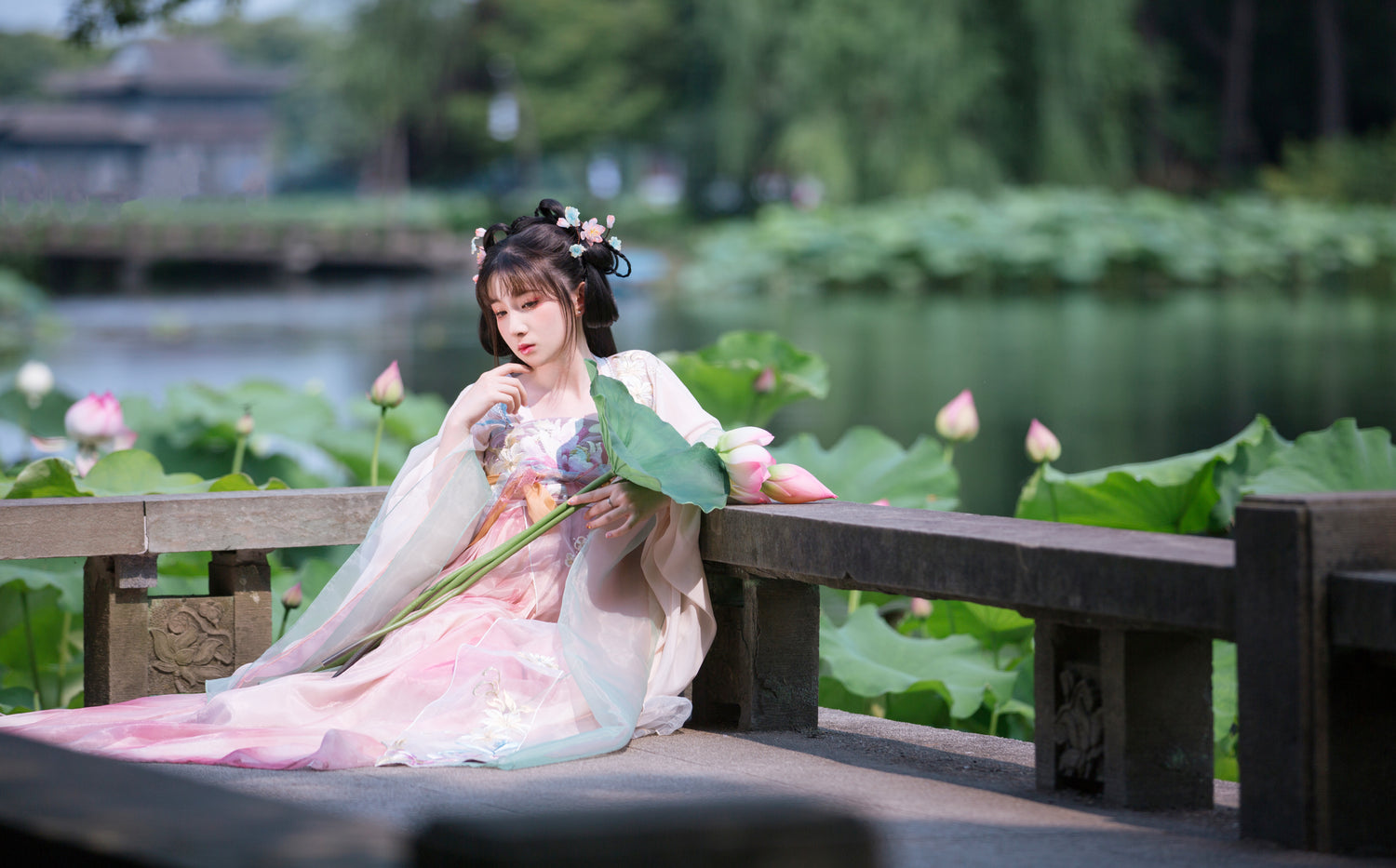
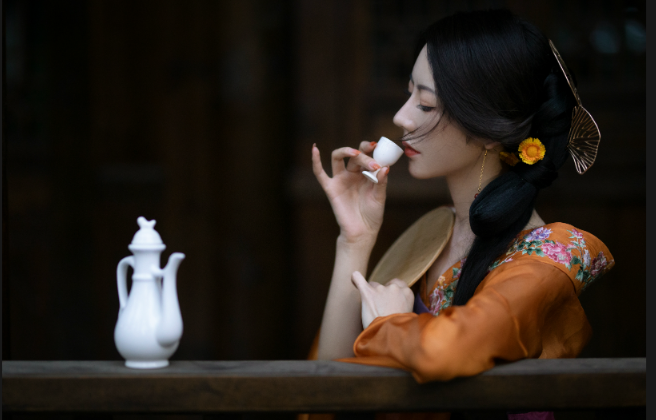

Featured Categories


New Arrivals
![[初冬]Short jacket, Ming Dynasty Hanfu, elastic horse face skirt set](http://yaoyaohanfu.com/cdn/shop/files/QQ_1767066022910.png?v=1767067175&width=455)
![[初冬]Short jacket, Ming Dynasty Hanfu, elastic horse face skirt set](http://yaoyaohanfu.com/cdn/shop/files/QQ_1767066030214.png?v=1767067175&width=459)
Type:
[初冬]Short jacket, Ming Dynasty Hanfu, elastic horse face skirt set


Type:
Enchanting | Modern Ming-Style Hanfu Set: Embroidered Shirt & Mamianqun Skirt


Type:
Mystic Winter Hanfu Outfit | Ming Dynasty Inspired Cloak & Mamianqun Skirt Set


Type:
New Chinese Style Hanfu Set: Han Element Shirt & Horse-Face Skirt 2-Piece Outfit


Type:
JK Uniform Style Costume Set: Cute Crop Top, Plaid Pleated Mini Skirt & Bow Tie
![[花束玫瑰]Ming-style Hanfu Set: Fleece-lined Winter Short Ao (Cross-collar) & Horse-face Skirt](http://yaoyaohanfu.com/cdn/shop/files/QQ_1790924081781.png?v=1790927740&width=458)
![[花束玫瑰]Ming-style Hanfu Set: Fleece-lined Winter Short Ao (Cross-collar) & Horse-face Skirt](http://yaoyaohanfu.com/cdn/shop/files/QQ_1790924096000.png?v=1790927741&width=452)
Type:
[花束玫瑰]Ming-style Hanfu Set: Fleece-lined Winter Short Ao (Cross-collar) & Horse-face Skirt
![[银岭月]Han-inspired Bijia & Elastic Horse-face Skirt Set | Miao Tribe Inspired Ethnic Style](http://yaoyaohanfu.com/cdn/shop/files/QQ_1790918483817.png?v=1790921726&width=458)
![[银岭月]Han-inspired Bijia & Elastic Horse-face Skirt Set | Miao Tribe Inspired Ethnic Style](http://yaoyaohanfu.com/cdn/shop/files/QQ_1790918491087.png?v=1790921726&width=458)
Type:
[银岭月]Han-inspired Bijia & Elastic Horse-face Skirt Set | Miao Tribe Inspired Ethnic Style


Type:
池夏【立夏:薄荷葡萄】Ming Dress Chinese Style Summer Hanfu Dress


Type:
【秋分:晒秋谣】Wei Jin style Hanfu Ruqun set
![[沁夏]Song Dynasty Hanfu Chinese style Retro Set](http://yaoyaohanfu.com/cdn/shop/files/QQ_1759227180364.png?v=1759227287&width=459)
![[沁夏]Song Dynasty Hanfu Chinese style Retro Set](http://yaoyaohanfu.com/cdn/shop/files/QQ_1759227193372.png?v=1759227287&width=465)
Type:
[沁夏]Song Dynasty Hanfu Chinese style Retro Set


Type:
Ming Dynasty Hanfu Set New Chinese Hanfu


Type:
【白玉桃桃】Ming Dynasty Hanfu Aoqun horse face skirt set
Featured Hanfu


Type:
Chinese ethnic minorities Hanfu Tibetan clothing Embroidered rabbit fur clothing unisex


Type:
Silk Hanfu Bellyband Camisole Set | 3 Colors
Type:
[花束玫瑰]Ming-style Hanfu Set: Fleece-lined Winter Short Ao (Cross-collar) & Horse-face Skirt
Type:
[银岭月]Han-inspired Bijia & Elastic Horse-face Skirt Set | Miao Tribe Inspired Ethnic Style


Type:
Miao-Style Ethnic Hanfu Ensemble – Hand-Embroidered Red & Blue Traditional Costume Set
Type:
【秋分:晒秋谣】Wei Jin style Hanfu Ruqun set
Type:
【白玉桃桃】Ming Dynasty Hanfu Aoqun horse face skirt set


Type:
Tang style Hanfu chest length skirt Ruqun set


Type:
Ming Dynasty Hanfu Chinese style embroidery Aoqun horse face skirt set


Type:
Song style Hanfu waist length Ruqun Chinese style
![[松鼠果果]Ming Dynasty Hanfu Chinese style Aoqun set](http://yaoyaohanfu.com/cdn/shop/files/QQ_1759156614543.png?v=1759157573&width=457)
![[松鼠果果]Ming Dynasty Hanfu Chinese style Aoqun set](http://yaoyaohanfu.com/cdn/shop/files/QQ_1759156741330.png?v=1759157573&width=456)
Type:
[松鼠果果]Ming Dynasty Hanfu Chinese style Aoqun set


Type:
Chinese style Hanfu Aoqun embroidered horse face skirt set
Curated Accessories


Type:
Y2K Gothic Leather Rivet Choker | Layered Cross Necklace


Type:
Y2K Brown Leather Kitty Heart Choker | Punk Spike Tassel Necklace


Type:
Y2K Gothic Leather Heart Choker | Multi-layer Cross Necklace


Type:
Gothic Velvet Heart Cross Choker | Red/Black Tassel Necklace


Type:
Y2K White Lace Cross Choker | Heart Key Layered Necklace


Type:
Y2K Punk Button Star Choker | Black Beaded Gothic Necklace


Type:
Punk Multi-layer Star Choker | Black Leather Spike Necklace


Type:
Gothic Black Lace Choker | Red Gem Cross Pendant Necklace


Type:
Y2K Double Layer Cross Necklace | Pearl & Rhinestone Choker


Type:
Punk Leather Cross Choker | Black/White Spike Chain Choker


Type:
Gothic Lace Rose Choker Set | Red/Black Flower Necklace & Bracelet


Type:
Y2K Silver Choker | Angel Wing & Cross Pendant

Testimonials
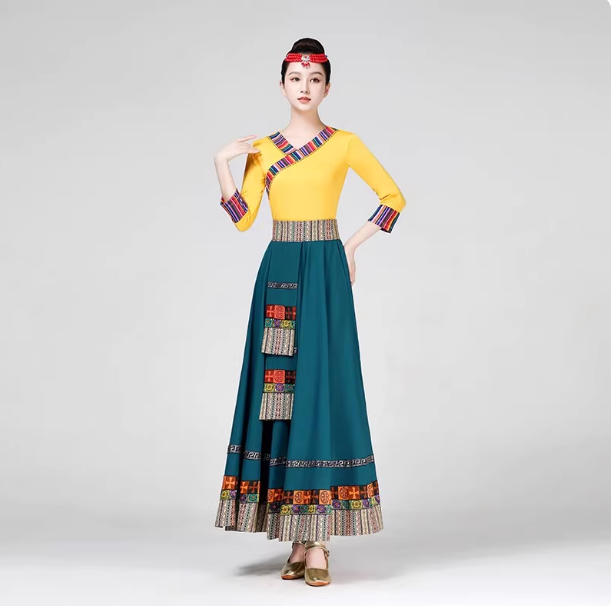
Emily Johnson
I absolutely love this Hanfu Tibetan women’s suit! The fabric feels soft yet durable, and the details are so beautifully made. The traditional design with the modern touch makes it perfect for festivals, photography, or even just wearing on special occasions. The colors are vibrant and elegant, exactly like the pictures.

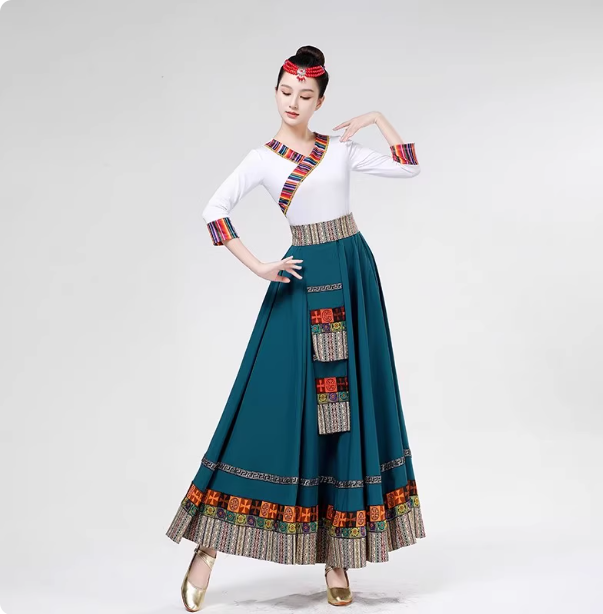
Sophia Miller
This Hanfu Tibetan women’s adult suit is truly stunning! The craftsmanship is exquisite, with every stitch showing great attention to detail. The material is comfortable and flows beautifully, making it elegant to wear for cultural events and photoshoots.

Blog posts

Hanfu Lingerie vs Western Lingerie: What's the Difference?
Discover the key differences between hanfu lingerie (like dudou and song mo) and western bras. Learn what to wear under your neo-Chinese outfits for ultimate daily comfort.
Learn more
Neo-Chinese Style: How to Wear Hanfu-Inspired Outfits in Real Life
Neo-Chinese style guide: how to wear modern Hanfu-inspired outfits daily. Coffee-run to office looks, plus tips for Western & Southeast Asian climates.
Learn more
Why the Mamian Skirt (Horse-Face Skirt) Is Taking Over Global Fashion
Discover why the Mamianqun (Horse-Face Skirt) is going viral globally. Learn its Ming Dynasty history, styling tips for Western & Southeast Asian fashion, and how to choose the perfect Chinese pleated skirt.
Learn more
A Glimpse into Tradition: Hanfu & Tibetan Attire
When it comes to traditional Chinese clothing, many immediately think of the elegant Hanfu—the historic dress of the Han ethnic group. But China is home to 56 ethnic groups, each with its own unique sartorial heritage. Among them, the vibrant and intricate Tibetan clothing stands out as a symbol of highland culture. Let’s explore these two beautiful traditions. 🌸 Hanfu: Elegance Through the Ages Hanfu, literally meaning "clothing of the Han people," dates back over 3,000 years. Its design reflects Confucian ideals of harmony and modesty, characterized by crossed collars, flowing sleeves, and robes tied with sashes. Unlike Western tailoring, Hanfu is often layered and loose-fitting, prioritizing comfort and grace. Throughout dynasties like the Tang, Song, and Ming, Hanfu evolved in style—from the majestic pao(robes) of nobles to the simpler ruqun(blouse and skirt) worn by commoners. Today, Hanfu has seen a revival among young Chinese, who wear it not only for festivals and weddings but also as a form of cultural expression in daily life. 🏔 Tibetan Clothing: Culture Woven in Color In the highlands of Tibet, traditional clothing is both practical and symbolic. Made from warm materials like sheepskin and wool, Tibetan attire is designed to withstand harsh climates. Women often wear colorful striped aprons called pangden, which symbolize good fortune, while men don chubas (long robes) with wide sleeves, sometimes lined with fur. What makes Tibetan dress especially striking is its vibrant use of colors and intricate jewelry. Turquoise, coral, and silver ornaments are commonly worn, each carrying spiritual meaning tied to Tibetan Buddhism. From the braided hair adorned with amber to hand-embroidered boots, every detail tells a story of identity and belief. ✨ A Tapestry of Diversity While Hanfu and Tibetan clothing differ in form and function, both carry deep cultural roots. Hanfu embodies the aesthetics of ancient Han civilization, while Tibetan attire mirrors the resilience and spirituality of plateau life. Together, they remind us of China’s rich ethnic mosaic—a beauty woven in threads of history, identity, and art. Whether you’re drawn to the poetic grace of Hanfu or the bold brilliance of Tibetan dress, these garments are far more than just clothing—they are wearable heritage. #Hanfu #TibetanClothing #ChineseCulture #TraditionalWear #EthnicFashion
Learn more
WORLDWIDE DELIVERY
Over 80+ countries

SECURE PAYMENT
PayPal / MasterCard / Visa

DISCOUNT
50% Discount for sale