



신상품
![[初冬]Short jacket, Ming Dynasty Hanfu, elastic horse face skirt set](http://yaoyaohanfu.com/cdn/shop/files/QQ_1767066022910.png?v=1767067175&width=455)
![[初冬]Short jacket, Ming Dynasty Hanfu, elastic horse face skirt set](http://yaoyaohanfu.com/cdn/shop/files/QQ_1767066030214.png?v=1767067175&width=459)
유형:
[初冬]Short jacket, Ming Dynasty Hanfu, elastic horse face skirt set


유형:
Enchanting | Modern Ming-Style Hanfu Set: Embroidered Shirt & Mamianqun Skirt


유형:
Mystic Winter Hanfu Outfit | Ming Dynasty Inspired Cloak & Mamianqun Skirt Set


유형:
New Chinese Style Hanfu Set: Han Element Shirt & Horse-Face Skirt 2-Piece Outfit


유형:
JK Uniform Style Costume Set: Cute Crop Top, Plaid Pleated Mini Skirt & Bow Tie
![[花束玫瑰]Ming-style Hanfu Set: Fleece-lined Winter Short Ao (Cross-collar) & Horse-face Skirt](http://yaoyaohanfu.com/cdn/shop/files/QQ_1790924081781.png?v=1790927740&width=458)
![[花束玫瑰]Ming-style Hanfu Set: Fleece-lined Winter Short Ao (Cross-collar) & Horse-face Skirt](http://yaoyaohanfu.com/cdn/shop/files/QQ_1790924096000.png?v=1790927741&width=452)
유형:
[花束玫瑰]Ming-style Hanfu Set: Fleece-lined Winter Short Ao (Cross-collar) & Horse-face Skirt
![[银岭月]Han-inspired Bijia & Elastic Horse-face Skirt Set | Miao Tribe Inspired Ethnic Style](http://yaoyaohanfu.com/cdn/shop/files/QQ_1790918483817.png?v=1790921726&width=458)
![[银岭月]Han-inspired Bijia & Elastic Horse-face Skirt Set | Miao Tribe Inspired Ethnic Style](http://yaoyaohanfu.com/cdn/shop/files/QQ_1790918491087.png?v=1790921726&width=458)
유형:
[银岭月]Han-inspired Bijia & Elastic Horse-face Skirt Set | Miao Tribe Inspired Ethnic Style


![[沁夏]송나라 한복 중국 스타일 레트로 세트](http://yaoyaohanfu.com/cdn/shop/files/QQ_1759227180364.png?v=1759227287&width=459)
![[沁夏]송나라 한복 중국 스타일 레트로 세트](http://yaoyaohanfu.com/cdn/shop/files/QQ_1759227193372.png?v=1759227287&width=465)


추천 한복


유형:
[花束玫瑰]Ming-style Hanfu Set: Fleece-lined Winter Short Ao (Cross-collar) & Horse-face Skirt
유형:
[银岭月]Han-inspired Bijia & Elastic Horse-face Skirt Set | Miao Tribe Inspired Ethnic Style


유형:
Miao-Style Ethnic Hanfu Ensemble – Hand-Embroidered Red & Blue Traditional Costume Set


![[松鼠果果]명나라 Hanfu 중국 스타일 Aoqun 세트](http://yaoyaohanfu.com/cdn/shop/files/QQ_1759156614543.png?v=1759157573&width=457)
![[松鼠果果]명나라 Hanfu 중국 스타일 Aoqun 세트](http://yaoyaohanfu.com/cdn/shop/files/QQ_1759156741330.png?v=1759157573&width=456)


![[麋鹿]명나라 Hanfu Aoqun 말 얼굴 치마 세트](http://yaoyaohanfu.com/cdn/shop/files/QQ_1759153011238.png?v=1759153675&width=433)
![[麋鹿]명나라 Hanfu Aoqun 말 얼굴 치마 세트](http://yaoyaohanfu.com/cdn/shop/files/QQ_1759153023504.png?v=1759153675&width=410)
Curated Accessories


유형:
Layered Star Necklace, Men's Hip-Hop Cuban Chain with Black Zircon Pendant, Unisex Luxury Sweater Chain


유형:
Robot Bunny Necklace, Unisex Cool Space Rabbit Pendant Chain, Hip-Hop Streetwear Sweater Chain

추천사
에밀리 존슨
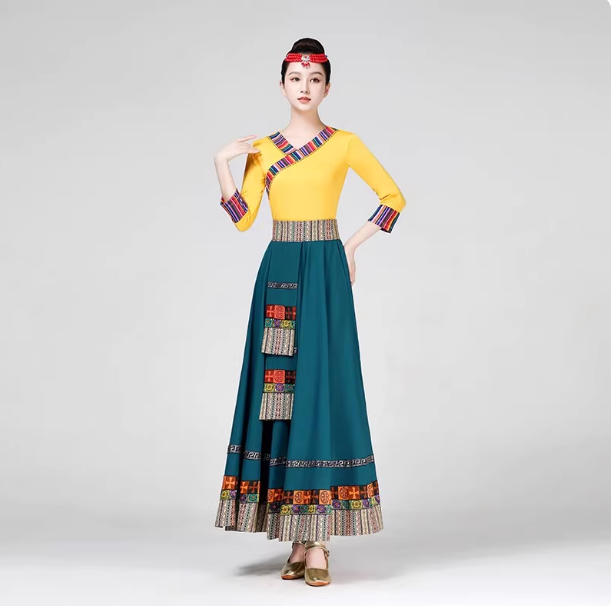
이 한복 티베트 여성 정장, 정말 마음에 들어요! 원단이 부드러우면서도 내구성이 좋고, 디테일이 정말 아름다워요. 전통적인 디자인에 현대적인 감각을 더해 축제, 사진 촬영, 심지어 특별한 날에도 완벽하게 어울려요. 색상도 사진과 똑같이 생생하고 우아해요.

소피아 밀러
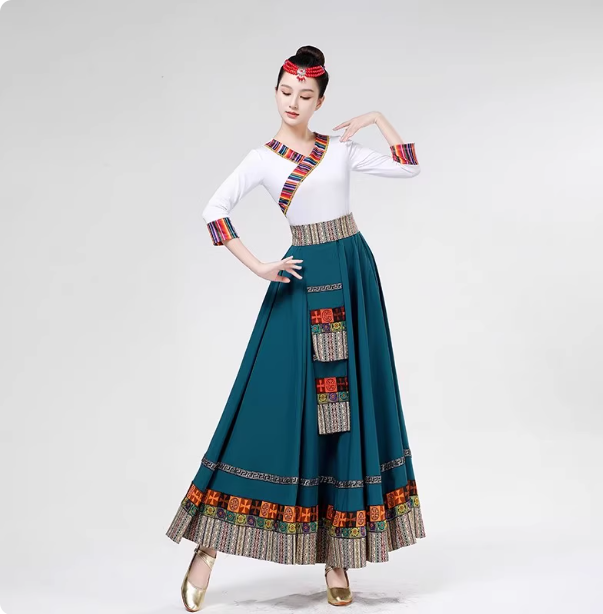
이 한복 티베트 여성 성인용 정장은 정말 아름답습니다! 장인의 솜씨가 뛰어나며, 모든 바느질 하나하나에 세심한 정성이 느껴집니다. 소재는 편안하고 아름다운 곡선을 자랑하여 문화 행사나 사진 촬영에 우아하게 어울립니다.

블로그 게시물

Neo-Chinese Style: How to Wear Hanfu-Inspired Outfits in Real Life
Neo-Chinese style guide: how to wear modern Hanfu-inspired outfits daily. Coffee-run to office looks, plus tips for Western & Southeast Asian climates.
더 알아보기
Why the Mamian Skirt (Horse-Face Skirt) Is Taking Over Global Fashion
Discover why the Mamianqun (Horse-Face Skirt) is going viral globally. Learn its Ming Dynasty history, styling tips for Western & Southeast Asian fashion, and how to choose the perfect Chinese pleated skirt.
더 알아보기
A Glimpse into Tradition: Hanfu & Tibetan Attire
When it comes to traditional Chinese clothing, many immediately think of the elegant Hanfu—the historic dress of the Han ethnic group. But China is home to 56 ethnic groups, each with its own unique sartorial heritage. Among them, the vibrant and intricate Tibetan clothing stands out as a symbol of highland culture. Let’s explore these two beautiful traditions. 🌸 Hanfu: Elegance Through the Ages Hanfu, literally meaning "clothing of the Han people," dates back over 3,000 years. Its design reflects Confucian ideals of harmony and modesty, characterized by crossed collars, flowing sleeves, and robes tied with sashes. Unlike Western tailoring, Hanfu is often layered and loose-fitting, prioritizing comfort and grace. Throughout dynasties like the Tang, Song, and Ming, Hanfu evolved in style—from the majestic pao(robes) of nobles to the simpler ruqun(blouse and skirt) worn by commoners. Today, Hanfu has seen a revival among young Chinese, who wear it not only for festivals and weddings but also as a form of cultural expression in daily life. 🏔 Tibetan Clothing: Culture Woven in Color In the highlands of Tibet, traditional clothing is both practical and symbolic. Made from warm materials like sheepskin and wool, Tibetan attire is designed to withstand harsh climates. Women often wear colorful striped aprons called pangden, which symbolize good fortune, while men don chubas (long robes) with wide sleeves, sometimes lined with fur. What makes Tibetan dress especially striking is its vibrant use of colors and intricate jewelry. Turquoise, coral, and silver ornaments are commonly worn, each carrying spiritual meaning tied to Tibetan Buddhism. From the braided hair adorned with amber to hand-embroidered boots, every detail tells a story of identity and belief. ✨ A Tapestry of Diversity While Hanfu and Tibetan clothing differ in form and function, both carry deep cultural roots. Hanfu embodies the aesthetics of ancient Han civilization, while Tibetan attire mirrors the resilience and spirituality of plateau life. Together, they remind us of China’s rich ethnic mosaic—a beauty woven in threads of history, identity, and art. Whether you’re drawn to the poetic grace of Hanfu or the bold brilliance of Tibetan dress, these garments are far more than just clothing—they are wearable heritage. #Hanfu #TibetanClothing #ChineseCulture #TraditionalWear #EthnicFashion
더 알아보기
전 세계 배송
80개국 이상

안전한 결제
페이팔 / 마스터카드 / 비자

할인
판매가 50% 할인