

소식
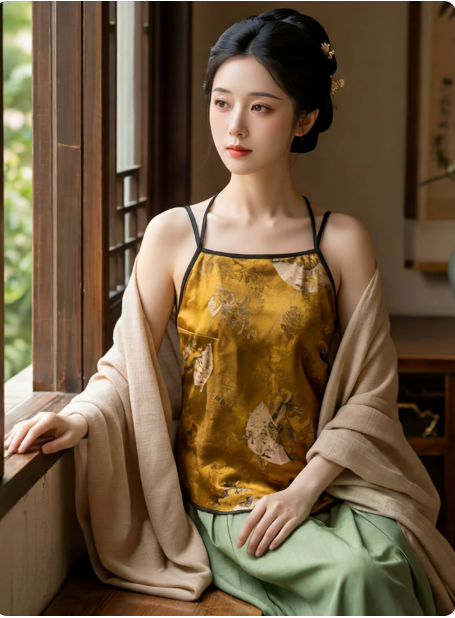

Neo-Chinese Style: How to Wear Hanfu-Inspired Outfits in Real Life
Neo-Chinese style guide: how to wear modern Hanfu-inspired outfits daily. Coffee-run to office looks, plus tips for Western & Southeast Asian climates.
더 알아보기
Why the Mamian Skirt (Horse-Face Skirt) Is Taking Over Global Fashion
Discover why the Mamianqun (Horse-Face Skirt) is going viral globally. Learn its Ming Dynasty history, styling tips for Western & Southeast Asian fashion, and how to choose the perfect Chinese pleated skirt.
더 알아보기
A Glimpse into Tradition: Hanfu & Tibetan Attire
When it comes to traditional Chinese clothing, many immediately think of the elegant Hanfu—the historic dress of the Han ethnic group. But China is home to 56 ethnic groups, each with its own unique sartorial heritage. Among them, the vibrant and intricate Tibetan clothing stands out as a symbol of highland culture. Let’s explore these two beautiful traditions. 🌸 Hanfu: Elegance Through the Ages Hanfu, literally meaning "clothing of the Han people," dates back over 3,000 years. Its design reflects Confucian ideals of harmony and modesty, characterized by crossed collars, flowing sleeves, and robes tied with sashes. Unlike Western tailoring, Hanfu is often layered and loose-fitting, prioritizing comfort and grace. Throughout dynasties like the Tang, Song, and Ming, Hanfu evolved in style—from the majestic pao(robes) of nobles to the simpler ruqun(blouse and skirt) worn by commoners. Today, Hanfu has seen a revival among young Chinese, who wear it not only for festivals and weddings but also as a form of cultural expression in daily life. 🏔 Tibetan Clothing: Culture Woven in Color In the highlands of Tibet, traditional clothing is both practical and symbolic. Made from warm materials like sheepskin and wool, Tibetan attire is designed to withstand harsh climates. Women often wear colorful striped aprons called pangden, which symbolize good fortune, while men don chubas (long robes) with wide sleeves, sometimes lined with fur. What makes Tibetan dress especially striking is its vibrant use of colors and intricate jewelry. Turquoise, coral, and silver ornaments are commonly worn, each carrying spiritual meaning tied to Tibetan Buddhism. From the braided hair adorned with amber to hand-embroidered boots, every detail tells a story of identity and belief. ✨ A Tapestry of Diversity While Hanfu and Tibetan clothing differ in form and function, both carry deep cultural roots. Hanfu embodies the aesthetics of ancient Han civilization, while Tibetan attire mirrors the resilience and spirituality of plateau life. Together, they remind us of China’s rich ethnic mosaic—a beauty woven in threads of history, identity, and art. Whether you’re drawn to the poetic grace of Hanfu or the bold brilliance of Tibetan dress, these garments are far more than just clothing—they are wearable heritage. #Hanfu #TibetanClothing #ChineseCulture #TraditionalWear #EthnicFashion
더 알아보기
Rediscovering Hanfu in China's Republican Era (1912-1949): Where Tradition Met Modernity
When we speak of Hanfu, many envision flowing robes from the Tang or Ming dynasties. Yet, the Republican Era (1912-1949) remains a hidden chapter in Hanfu’s evolution—a time of cultural fusion, political upheaval, and sartorial innovation. Far from disappearing, Hanfu adapted, quietly weaving itself into the fabric of a changing China. A Time of Transition: The Republican Era Context The fall of the Qing dynasty in 1912 marked not just a political shift but a cultural renaissance. As China grappled with modernization, clothing became a canvas for identity. While Western suits and qipao(often mislabeled as the era’s sole attire) gained popularity, Hanfu elements persisted in subtle, reinvented forms. This was not abandonment but creative adaptation—a dialogue between ancient aesthetics and contemporary life. Key Styles of Republican-Era Hanfu The “Modified Ruqun” (改良襦裙) Women’s attire saw hemlines rise and silhouettes simplify. The traditional ruqun(blouse+skirt) was tailored closer to the body, with narrower sleeves and lighter fabrics like silk gauze or printed cotton. Fun detail: Embroidery motifs shifted from imperial dragons to chrysanthemums, peonies, or even Art Deco patterns—a nod to global trends. The Scholar’s Changshan (长衫) as Daily Wear Once reserved for scholars, the changshan(long robe) became unisex casual wear. Men and women paired it with trousers or Western-style skirts, accessorizing with pocket watches or leather shoes. Historical touch: Revolutionaries like Qiu Jin wore changshanas a symbol of gender equality and national pride. Fusion Outerwear: Doupeng (斗篷) & Capes Woolen capes or velvet doupeng(capes) layered over Hanfu-inspired dresses blended practicality with elegance—perfect for Shanghai’s rainy winters or Beijing’s autumn winds. Why Republican-Era Hanfu Matters Today Cultural Resilience: It embodies Hanfu’s ability to evolve without losing its soul. In an era of anti-queue laws and Westernization, these adaptations preserved Han identity through fabric and form. Modern Revival Inspiration: Contemporary Hanfu designers increasingly draw from this period—experimenting with shorter sleeves, mixed textures, and neutral palettes for daily wear. A Lesson in Balance: The era reminds us that tradition isn’t static; it thrives when it embraces change. As one 1930s magazine proclaimed: “Fashion should honor the past, not chain us to it.” How to Incorporate Republican-Era Elements Today For Modern Hanfu Enthusiasts: Try a linen ruqunwith a belted waist, paired with lace-up Oxford shoes and a vintage clutch. For Cultural Events: A changshanin muted jade or gray, accessorized with a silk scarf, bridges ceremonial and casual. Photoshoot Ideas: Seek locations with Republican architecture—Shanghai’s Bund, Nanjing’s tree-lined streets—to recreate the era’s ambiance. Final Reflection: Threads of Continuity The Republican Era’s Hanfu legacy is a testament to cultural endurance. In its stitches, we see a nation navigating modernity while holding onto its heritage—a reminder that clothing is never just clothing. It’s memory, identity, and hope woven together. Want to explore further? Visit digital archives like the “Republic of China Fashion Collection” or join forums like #HanfuHistory on social media. Tags: #RepublicanEraHanfu #HanfuEvolution #ChineseFashionHistory #CulturalFusion #WearableHistory #EastMeetsWest
더 알아보기
The Secret Silhouette: A Guide to Traditional Chinese Lingerie
Beneath the flowing layers of Hanfu—the ornate jackets, the sweeping skirts—lies an intimate world of artistry and purpose. While modern lingerie often prioritizes allure alone, traditional Chinese undergarments for women were a delicate balance of modesty, support, symbolism, and quiet sensuality. They sculpted the foundation for iconic silhouettes across dynasties and whispered secrets of personal life and belief. Let’s explore this hidden, beautiful layer of a woman’s wardrobe in historical China.Hanfu Lingerie – YaoyaoHanfu More Than Just Underwear: The Dual Nature of Neiyi These garments, collectively called neiyi(内衣), were deeply private yet culturally significant. They protected the body and the expensive outer robes, provided structural shaping, and were often imbued with protective embroidery—symbols meant to safeguard the wearer’s health, fertility, and fortune. This combination of the practical and the talismanic made them uniquely personal treasures. Key Pieces of Historical Women’s Lingerie 1. The Dudou (肚兜) - The Heart-Shaped Canvas The most iconic piece, the dudou, emerged prominently during the Ming and Qing dynasties. This diamond or heart-shaped “belly cover” was tied at the neck and back, securing the torso.Hanfu Lingerie – YaoyaoHanfu Function: It provided light bust support and covered the chest and abdomen, a zone considered central to one’s vitality in traditional medicine. Artistry: Its front panel was a private canvas for exquisite embroidery. Motifs like lotuses (purity), peonies (wealth and romance), butterflies (longevity), or protective deities were common. Some were gifted as tokens of love or worn during significant life events like weddings. Modern Resonance: Today, the dudouis celebrated as a symbol of classic Eastern aesthetics—hinting at revelation while maintaining concealment. 2. The Moxiong (抹胸) - The Structured Bandeau Popular in the Song and Ming dynasties, the moxiongwas a straight, bandeau-style wrap or panel. Function: It offered more structured bust support and flattening than the dudou, creating the elegant, streamlined silhouette desired under thin Song dynasty robes. Design: Typically a long rectangular piece of fabric that would be wrapped tightly around the torso and secured with ties or sashes on the side. 3. The Zhuyao (主腰) - The Corseted Bodice The zhuyaoof the Ming Dynasty was the closest to a structured foundation garment. Function: Acting as a corset or bodice, it featured front lacing or hook closures, cinching the waist and lifting the bust to define the figure under formal attire. Legacy: It represents the historical understanding of tailoring and silhouette management, proving that support wear has always been part of fashion’s evolution. 4. The Xieyi (亵衣) & Under-robes These were the innermost layers—simple, soft tunics and trousers worn directly against the skin. Made of breathable linen or cotton, their role was purely functional: hygiene and comfort, protecting the skin from starched outer layers. Hanfu Lingerie – YaoyaoHanfu From Imperial Chambers to Modern Wardrobes These garments tell a story of autonomy and personal expression in a historically constrained world. A woman’s neiyiwas her private domain, where her choices in color, symbol, and fabric were deeply personal. Wearing Tradition Today: Our Modern Interpretation How do we honor this intimate heritage in modern life? At [Your Brand Name], we believe the spirit of traditional lingerie lies in comfort, intention, and subtle beauty. Our "Silhouette Collection" reinterprets these classics for the contemporary Hanfu enthusiast and the modern woman seeking unique, meaningful undergarments: Modern Dudou Tops: Crafted from soft, sustainable fabrics with adjustable ties. Featuring delicate, symbolic embroidery or minimalist modern patterns, they are perfect as stand-alone pieces under sheer outer garments or layered with high-waisted skirts. Structured Moxiong Bandeaus: Designed for support and smooth lines under your favorite Song or Ming-style Hanfu, offering both historical authenticity and everyday comfort. Luxurious Under-Robes: Lightweight, breathable inner robes in solid silk or patterned cotton that provide modesty under sheer jackets and enhance the fluid movement of your outer layers. Discover Your Inner Layer True elegance begins from within. Whether you are dressing in full Hanfu or simply seeking a touch of timeless elegance in your daily wear, the right foundation is key. Explore our curated collection of modern heirloom lingerie. Each piece is designed to connect you to an artful past while providing the comfort and functionality you deserve today. Find the perfect secret layer to complete your style story.Hanfu Lingerie – YaoyaoHanfu
더 알아보기
Why "A Record of a Mortal's Journey to Immortality" Is My Latest Obsession
As someone who grew up binge-watching Western fantasies like Game of Thronesand The Witcher, I never expected a Chinese xianxia drama to completely captivate me—but here we are. "A Record of a Mortal's Journey to Immortality" (adapted from the web novel 凡人修仙传) isn't just another cultivation story; it’s a masterclass in world-building, character depth, and visual storytelling. A Reluctant Hero’s Rise Unlike typical protagonists born with divine gifts, Han Li starts as an ordinary village boy with zero special advantages. His journey isn’t fueled by destiny but by sheer caution, intelligence, and relentless perseverance. Watching him navigate treacherous sect politics, betrayals, and mystical realms feels oddly relatable—he’s the anti-hero we didn’t know we needed. More Than Just Flashy Magic Yes, the CGI-powered spell battles and aerial sword fights are breathtaking (the budget clearly went to the right places!). But what truly stands out is how the series balances action with philosophy. Cultivation isn’t just about leveling up; it’s a metaphor for resource scarcity, ethical dilemmas, and the cost of ambition. Each breakthrough forces Han Li to confront moral grey zones—something rarely explored in mainstream fantasy. Visual Poetry in Motion From mist-shrouded mountain peaks to ethereal spiritual realms, every frame echoes classical Chinese ink painting. The costume design—especially the hierarchical robes of different sects—visually reinforces power dynamics without a word of dialogue. Special shout-out to the artifact animation (those magical tools glow with personality!). Why It Resonates Globally At its core, Mortal's Journeytaps into universal themes: The underdog narrative: Rooting for someone who wins with wits, not just fists. Existential tension: What does immortality truly cost? Is eternal life worth losing humanity? Resource capitalism: Spiritual stones, pills, and manuals as currency mirror real-world inequality. Minor Frustrations (Because Nothing’s Perfect) Pacing can feel slow if you’re used to fast-paced Western shows—but this deliberate rhythm builds immersion. Some secondary characters lack depth (hopefully expanded in later seasons!). Final Verdict Whether you’re a xianxia veteran or a curious newcomer, this series offers a refreshingly grounded take on immortality myths. It’s "Survival of the Smartest" meets spiritual awakening—with enough plot twists to keep you hitting "Next Episode" until 3 AM. Rating: ⭐⭐⭐⭐½ (4.5/5) Where to Watch: Available with English subtitles on YouTube, Viki, and Tencent Video. Have you watched it? Share your thoughts in the comments! MortalJourney #Xianxia #CDrama #FantasySeries #ImmortalitySaga #Hanfu
더 알아보기
당나라 한복: 호화로움과 개방성의 황금기
당나라 한복: 호화로움과 문화적 융합의 교향곡 당나라(618~907 CE)의 한복은 풍성한 실루엣 , 생동감 넘치는 색상 , 다양한 문화의 영향이 특징인 전례 없는 번영과 개방의 시대를 구현했습니다. 여성 패션은 기존의 규범에 도전하는 얇은 재킷과 낮은 네크라인이 있는 하이웨이스트 스커트를 특징으로 했고, 남성은 중앙아시아 스타일에서 영감을 받은 둥근 칼라의 예복을 채택했습니다. 실크 브로케이드, 금 자수, 대담한 색조(예: 석류색 스커트)와 같은 고급스러운 원단은 부와 지위를 드러냈습니다. 향수 주머니에서 가죽 벨트에 이르기까지 액세서리는 세련미와 실용성을 강조했습니다. 페르시아, 인도, 토착 모티프를 혼합한 당나라 한복은 예술적 대담함과 세계 교류의 황금기를 반영하여 현대적인 해석에 계속해서 영감을 주는 웅장함의 유산을 남겼습니다.
더 알아보기
진한(秦漢)나라 한복: 모든 실에 담긴 위엄과 질서
진한 한복: 힘과 의식을 직물로 엮다 진(秦, 기원전 221~206년)과 한(漢, 기원전 206~220년) 왕조의 한복은 제국의 권위와 사회 계층을 구현했습니다. 구조화된 실루엣 , 상징적인 색상 , 그리고 엄격한 사치 금지법 . 원피스와 같은 핵심 의류는 교차된 깃과 넓은 소매가 특징인 심의 (深衣) 와 곡선 무늬의 곡국(曲裾)은 유교의 질서와 겸손함을 반영했습니다. 왕족은 정해진 색깔(진나라는 검은색, 한나라는 붉은색/검정색)의 비단을 입었고, 평민들은 삼베를 사용했습니다. 옥 장신구나 계급에 따라 착용하는 모자와 같은 장신구는 신분을 더욱 강화했습니다. 이 시대에 한복은 통치와 문화적 정체성의 도구로 자리 잡았으며, 절제된 우아함의 유산을 남겼고, 이는 오늘날에도 여전히 현대 디자인에 영감을 주고 있습니다.
더 알아보기
위진(魏晉)나라 한복: 자유분방한 시대의 천상의 우아함
웨이진 한복: 실크와 리넨의 철학적 혁명 위진(220~420년) 시대의 한복은 엄격한 전통에서 벗어나 흐르는 듯한 실루엣 , 겹겹이 겹쳐진 드레이프 , 그리고 흙빛의 미니멀리즘은 도교 적 이상과 학문적 반항을 반영합니다. 넓은 소매, 교차된 깃, 젠더 플루이드 디자인이 특징인 이 스타일은 편안함과 천상의 우아함을 중시했습니다. 삼베와 실크 같은 천연 소재는 은은한 구름이나 학 모티프를 특징으로 했고, 옥 비녀와 문양이 새겨진 부채와 같은 액세서리는 지적이고 예술적인 표현을 강조했습니다. 이러한 스타일은 개인주의와 정신적 자유를 향한 문화적 변화를 상징하며, 시적인 단순함으로 현대 한복 미학에 영감을 불어넣는 유산을 남겼습니다.
더 알아보기